

PILLARS OF LEADERSHIP:
1.CONSCIENTIOUSNESS:
2.PERSEVERANCE:
3.INNOVATIVENESS:
4.TAKING INITIATIVES:
5.PROBLEM SOLVING:
____________________________________
1.CONSCIENTIOUSNESS:
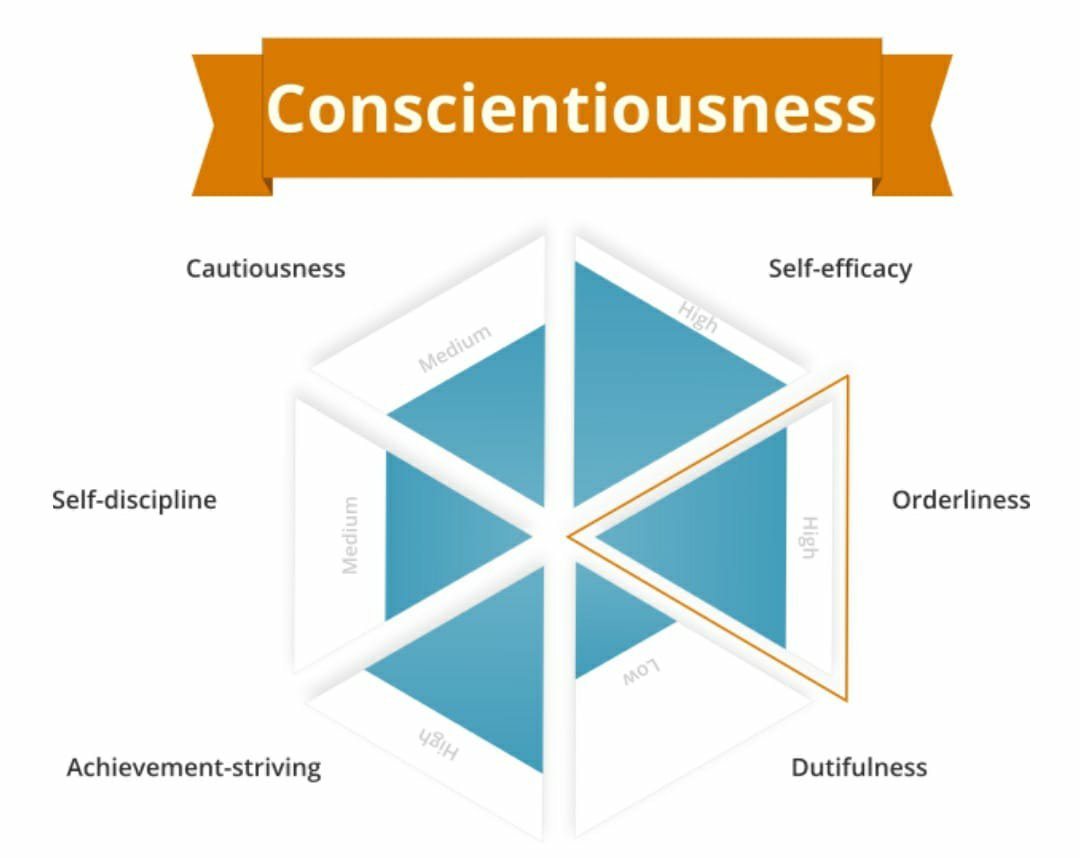
Conscientiousness is the personality trait of being careful, or diligent. Conscientiousness implies a desire to do a task well, and to take obligations to others seriously. Conscientious people tend to be efficient and organized as opposed to easy-going and disorderly. They exhibit a tendency to show self-discipline, act dutifully, and aim for achievement; they display planned rather than spontaneous behavior; and they are generally dependable. It is manifested in characteristic behaviors such as being neat, and systematic; also including such elements as carefulness, thoroughness, and deliberation (the tendency to think carefully before acting).
____________________________________2.PERSEVERANCE:
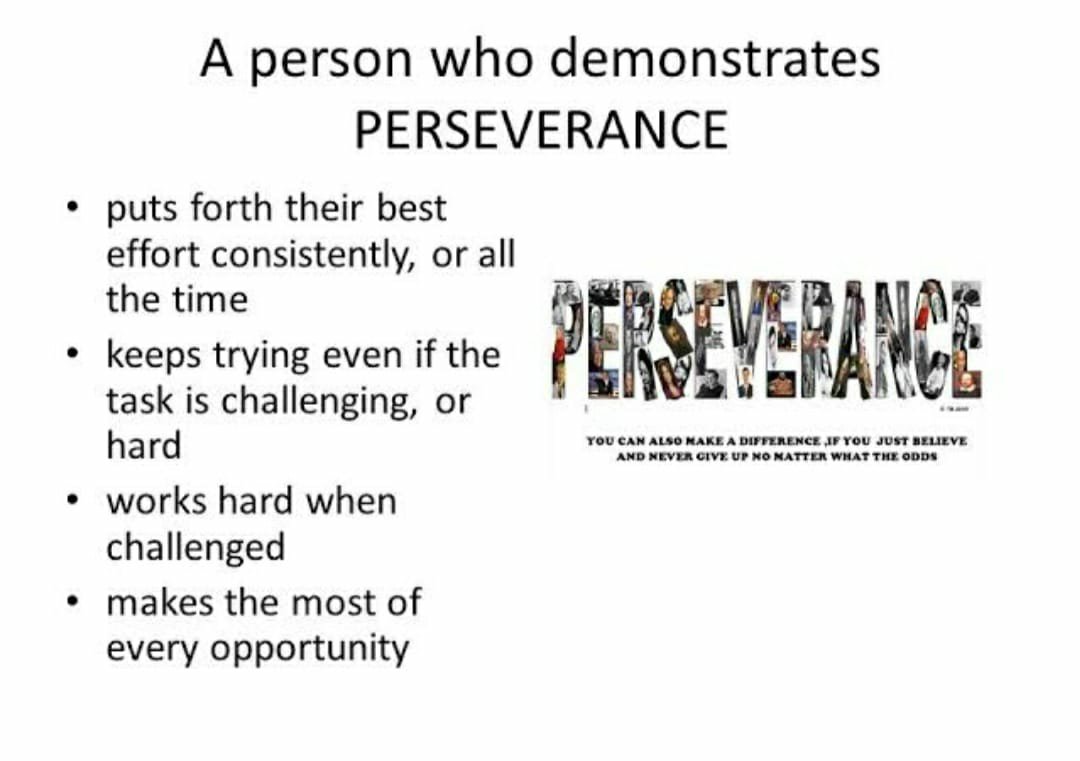
Definition of perseverance continued effort to do or achieve something despite difficulties, failure, or opposition : the action or condition or an instance of persevering : STEADFASTNESS
____________________________________
3.INNOVATIVENESS:
Innovative leadership is the ability to both think and influence others to create “new and better” ideas to move towards positive results.

____________________________________
4.TAKING INITIATIVES:
Initiative is defined as recognizing and doing what needs to be done before I am asked to do it.
Initiative is the trait that puts many of the other character traits into action. Compassion without initiative does nothing to aid another. It’s difficult to exhibit the traits of dependability, orderliness and responsibility, for example, without initiative.
Initiative can help us recognize and acknowledge challenges before they become major problems. Initiative can help us improve relationships. Taking the initiative to show interest in an activity simply because someone you care about is interested can strengthen your relationship.

____________________________________
5.PROBLEM SOLVING:Problem-solving skills help you determine the source of a problem and find an effective solution. Although problem-solving is often identified as its own separate skill, there are other related skills that contribute to this ability.
Some key problem-solving skills include:
Active listening
Analysis
Research
Creativity
Communication
Dependability
Decision making
Team-buildingProblem-solving skills are important in every career at every level. As a result, effective problem solving may also require industry or job-specific technical skills. For example, a registered nurse will need active listening and communication skills when interacting with patients but will also need effective technical knowledge related to diseases and medications. In many cases, a nurse will need to know when to consult a doctor regarding a patient’s medical needs as part of the solution.

____________________________________
Activity:-
Take Initiative for improvising the leadership qualities and for finding the leader in you by:
Just performing the simple activity of norm setting conscientiously:
Rules :Select the norms below and rank it with most prior to least prior in which you lack the ability must be given priority.
Norms :-
1.Listen actively ,without interrupting
2.Be receptive to others ideas
3.Be punctual and respectful of alloted time
4.Speak up -more important than you think.
5.Be precise and to the point
6.Dont monopolize time . Encourage everyone to speak
7.Criticize ideas,not Individuals
8.If you disagree with the idea propose a alternative or rather stop critcizing .
Note :After the norms are ranked think of the norms you are lacking behind and try to improve
Criteria of Improvising:
1.Must be Mortal /Ethical
2.Non – trivial
3.Widely applicable
4.Enduring
5.Practicible
——————————————————
Thank you if you read till here
Source credit :Tanmay D Trivedi
——————————————————
 @__technophyle._